Project Management Institute
Making experience an enterprise priority.
Connecting customer research, product strategy, and digital design across a global portfolio.
- Focus
- Digital transformation / Product strategy
- Patrick’s role
- Digital experience & design leadership
The opportunity
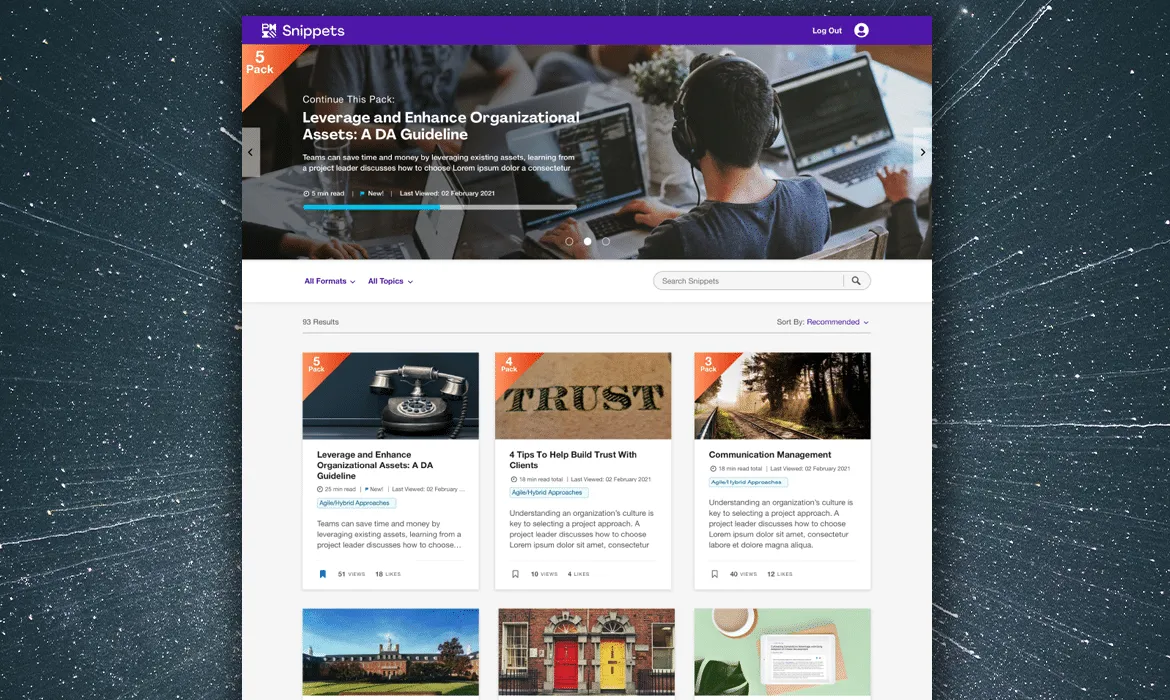
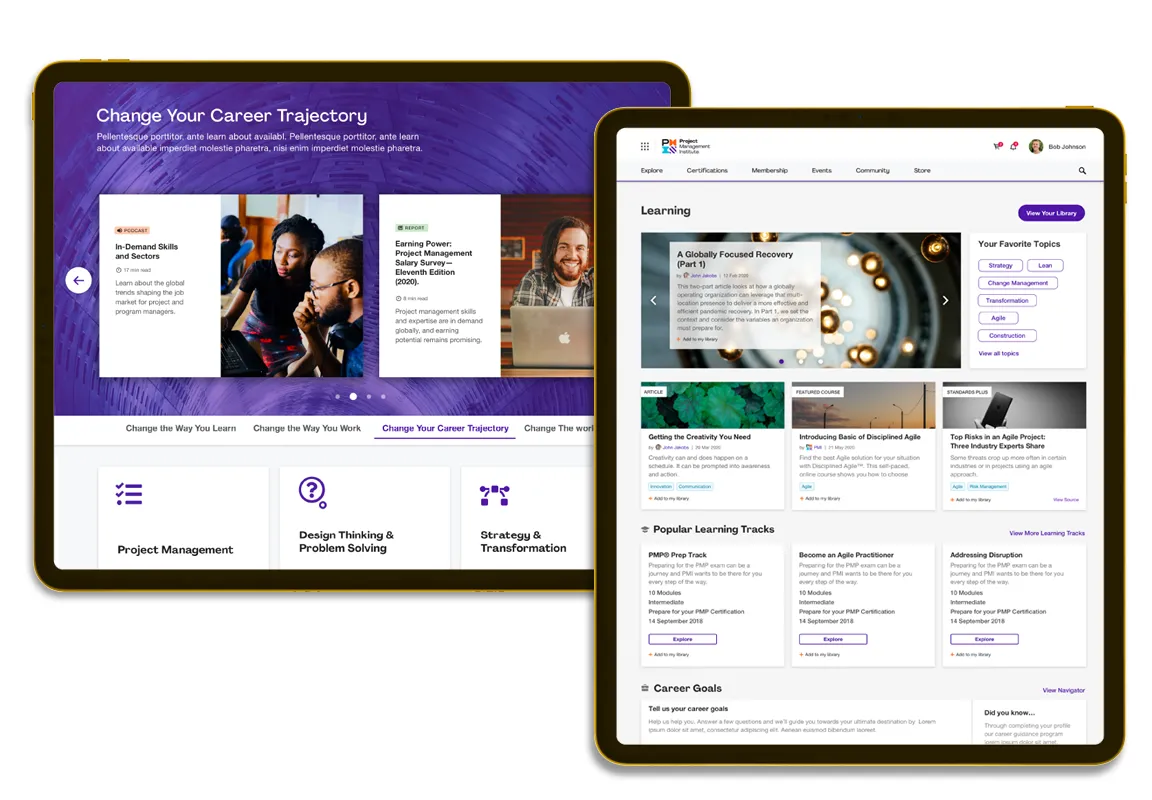
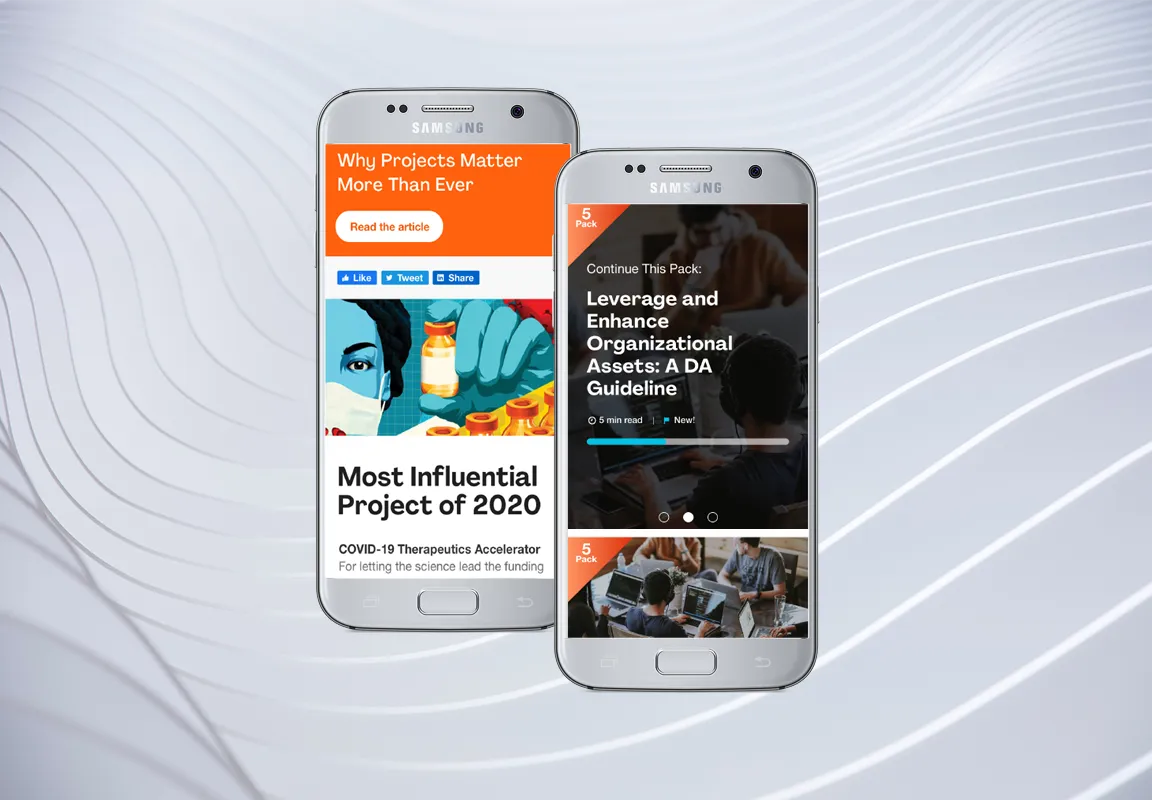
The Project Management Institute needed a coordinated approach to customer experience across a growing digital product portfolio. The scope included digital properties, microsites, SaaS products, and e-learning solutions delivered through desktop, mobile, voice, and IoT channels.
The original case study described that portfolio as supporting an organization with more than six million members worldwide. That is the historical scale stated in the portfolio account, rather than a current membership figure.
Building enterprise product capability
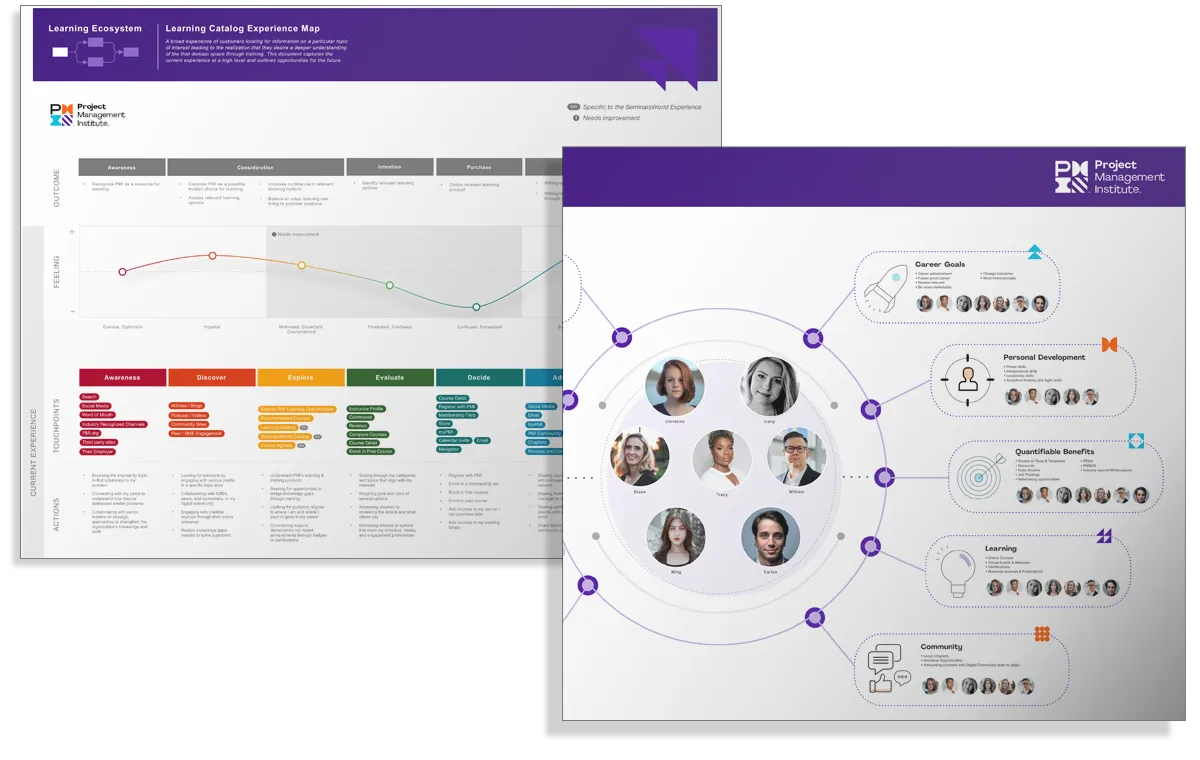
Patrick led digital transformation initiatives and the development of an enterprise experience and design team spanning digital research, product management, and enterprise product design. His responsibilities covered CX, UX, and the continuous refinement of product design strategy to support customer growth.
He advised senior leadership on an Agile and Lean UX program model for global product development, with operating practices for research, reporting, analysis, and continuous improvement.
Connecting UX metrics to executive priorities
The e-learning and omnichannel strategy aligned product initiatives with organizational priorities. Patrick made UX metrics understandable to stakeholders and connected them to business outcomes so senior leaders could assess the value of the work.
This meant explaining how usability and product quality affected efficiency, customer experience, and the organization’s broader goals.
Making the cost of friction visible
Research brought attention to the less visible costs of poor products and services: customer dissatisfaction, increased support inquiries, and damage to brand reputation. The team used customer pain points and usability issues to identify opportunities to improve quality and satisfaction.
Patrick developed a systematic continuous-improvement plan tied to executive priorities for efficiency and cost-effectiveness. The original account reports that proactively addressing those issues reduced customer churn and support overhead.
Demonstrating the value of better experiences
Research-led Lean and Agile methods supported increased adoption and retention. Patrick communicated customer experience benefits through satisfaction measures and their relationship to organizational success, including customer loyalty, positive word-of-mouth referrals, and stronger brand perception.
The original account describes quantified improvements in customer satisfaction scores, alongside increased adoption and retention.
The outcome
The engagement established an enterprise approach to experience design and a continuous-improvement model across PMI’s digital portfolio. It also helped leadership connect investment in UX with the costs of poor experiences, measurable customer benefits, and the organization’s long-term performance.
A closer look / Project gallery
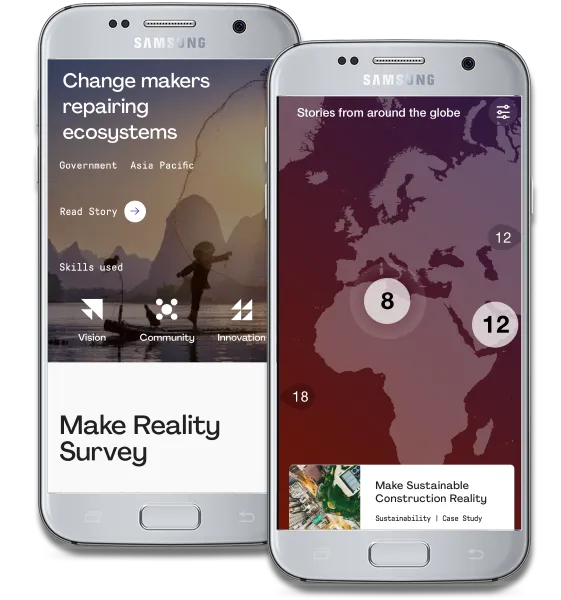
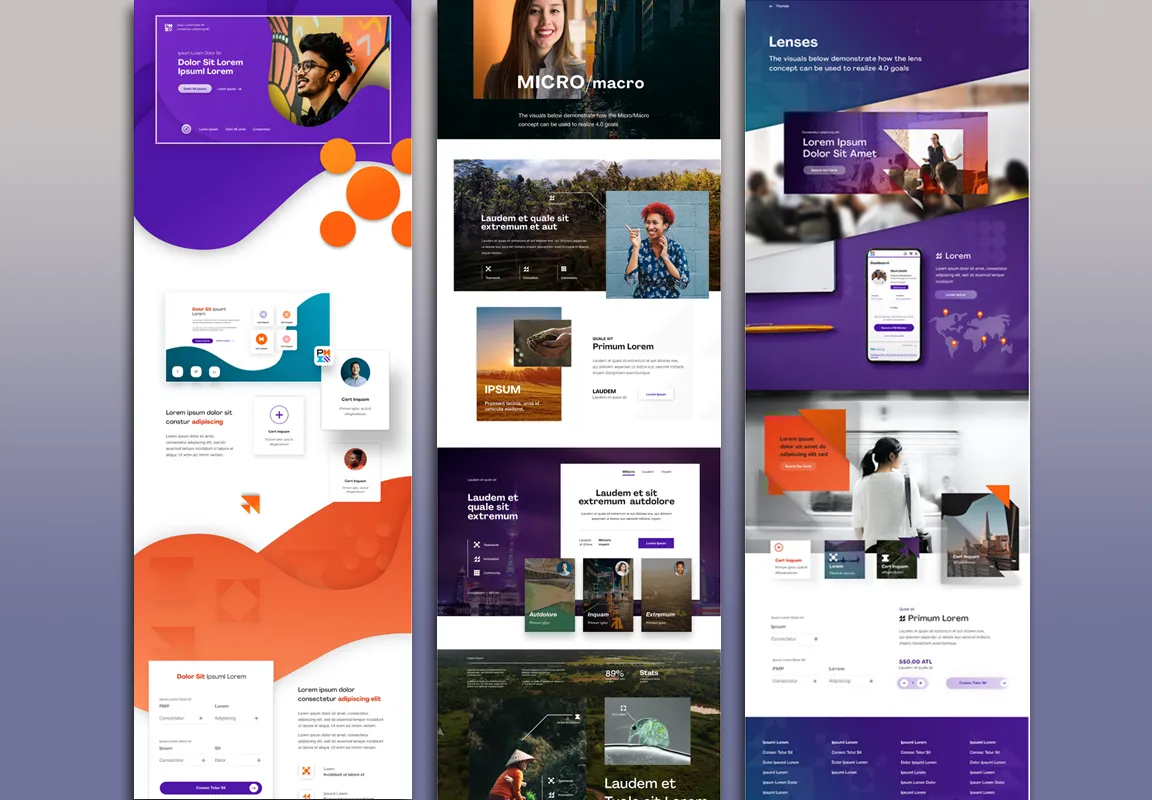
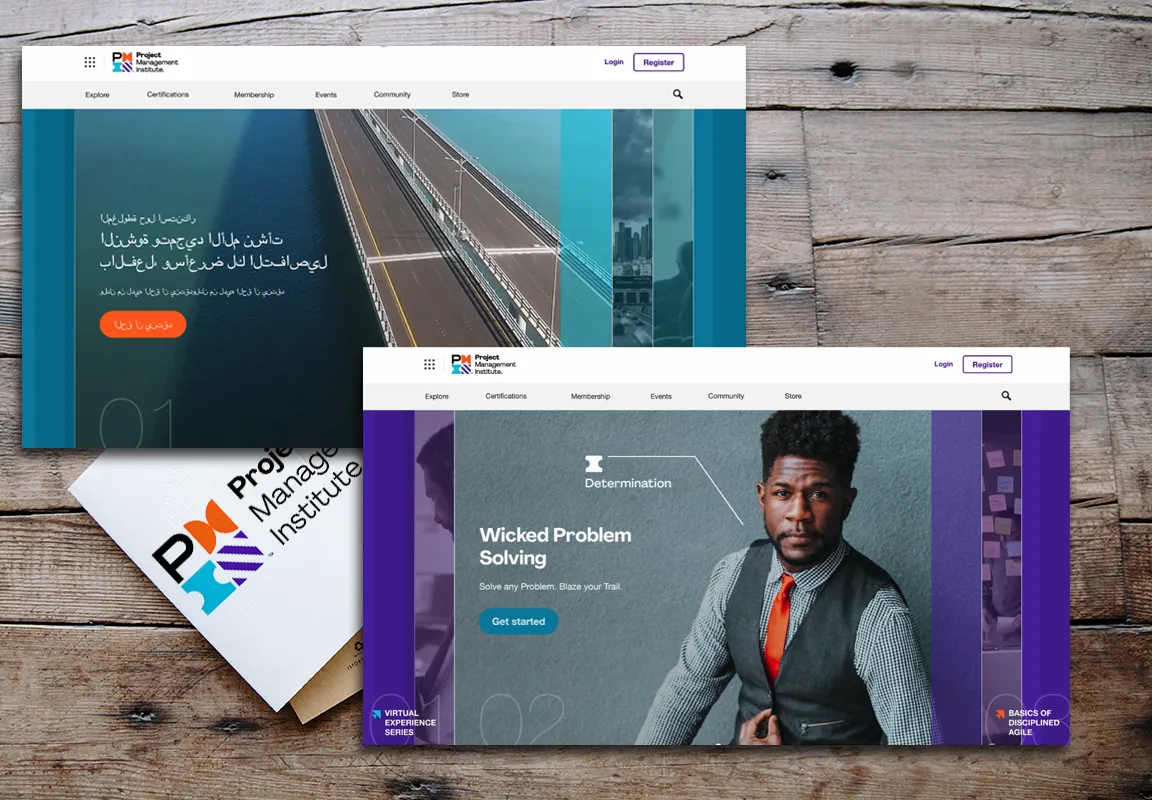
Adapted from Patrick Olivares’s original project account.
View original case study (opens in a new tab)